
#TechTrends: Developing public infrastructure for verifiable credentials
We now know that shifts in technology and new developments in AI…
The Commonwealth of Learning empowers people through learning that leads to economic growth, social inclusion and environmental conservation.
We now know that shifts in technology and new developments in AI…

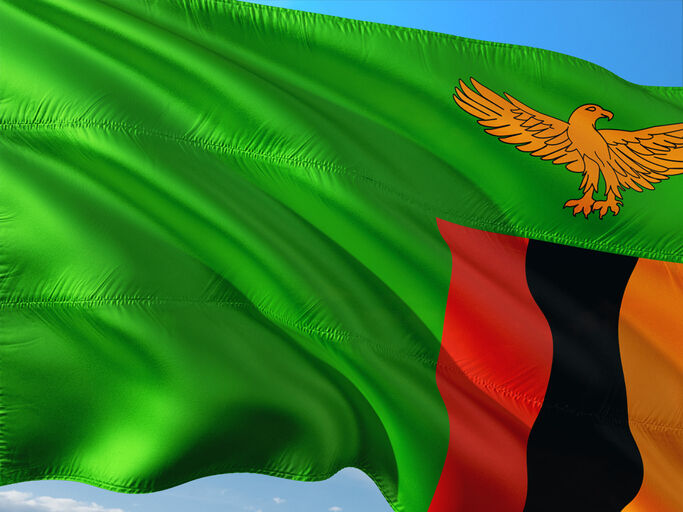
As Zambia celebrates its independence, we recognise the country’s efforts to build a more inclusive education and skills system that responds to changing learner and workforce needs.
Through its Eighth National Development Plan 2022–2026 and ongoing employment and TVET reforms, Zambia is strengthening connections between education, skills and work, with greater emphasis on practical training, employability, digital skills and opportunities for young people.
Expanding flexible learning, strengthening technology-enabled and gender-responsive approaches, and building pathways that recognise prior learning are also central to COL’s efforts in Zambia across open schooling, teacher development, higher education and TVET.
Recent work is also widening access to secondary education through a decentralised open schooling model, while blended TVET delivery and stronger quality assurance are helping institutions respond to changing learner and workforce needs.
We wish the people of Zambia a happy Independence Day and continued progress in building a more inclusive and future-ready learning system.
#ZambiaIndependenceDay #Education #TVET #FlexibleLearning Ministry of Education- Zambia Ministry of Technology and Science - Zambia Higher Education Authority Teveta Zambia The Teaching Council of Zambia-TCZ Zambia Qualifications Authority Zambia High Commission - Ottawa

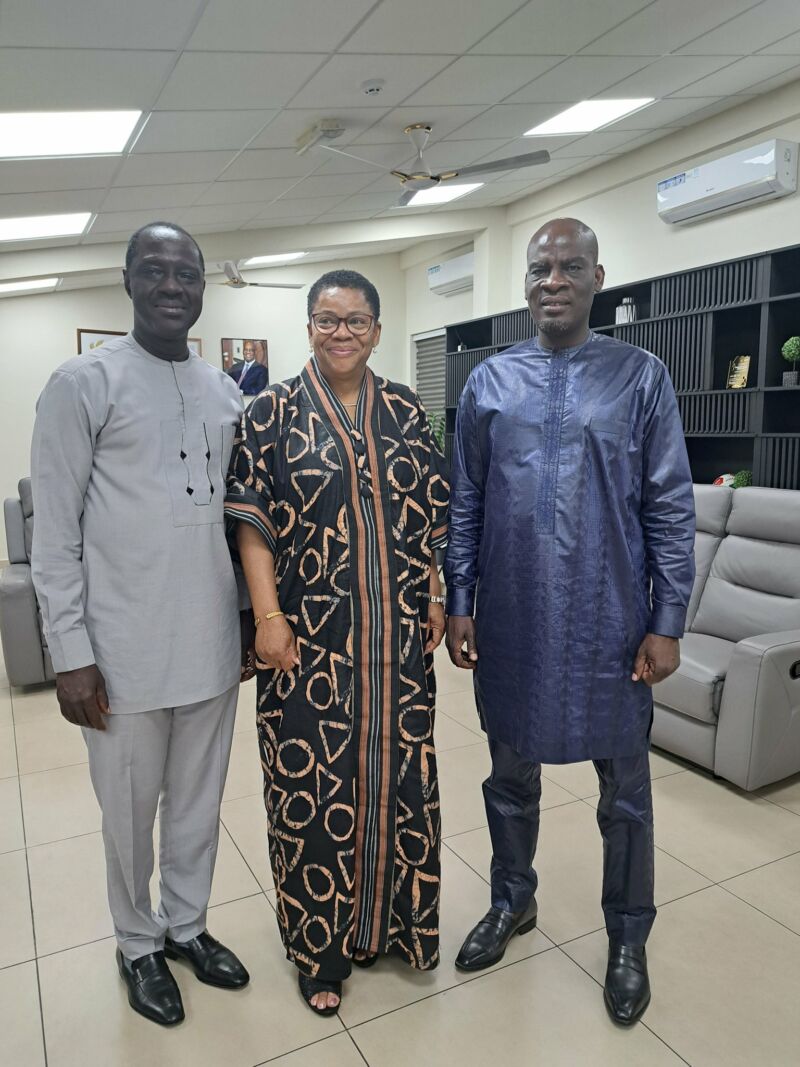
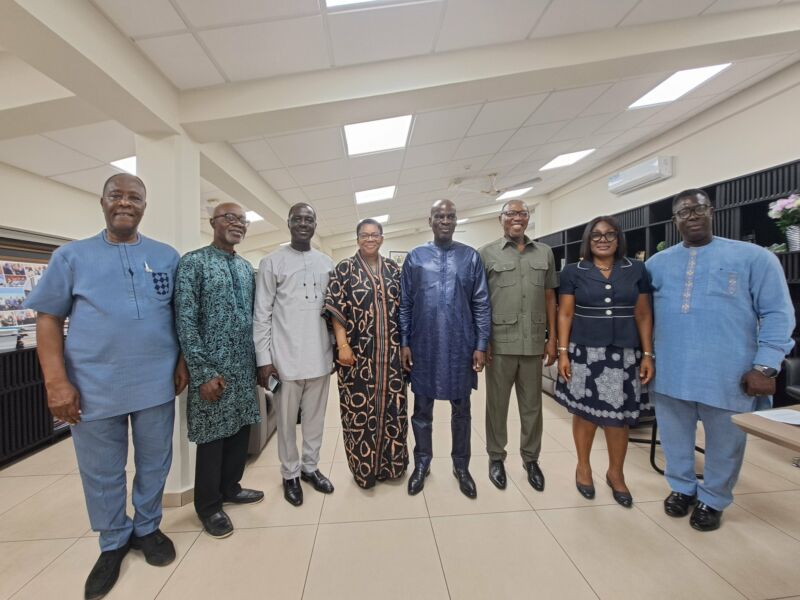
Earlier this week, the Honourable Haruna Iddrisu, Minister of Education, Ghana, received Professor Jane-Frances Agbu, Adviser: Higher Education at the Commonwealth of Learning (COL), and a Ghanaian delegation comprising Professor Samuel A. Atintono, Principal of Accra College of Education and COL Focal Point for Ghana; Dr Joshua Mallet, former Director of CENDLOS and former COL staff member; and Mr John Dadzie-Mensah, Director of Policy, Planning and Research at the Ghana Tertiary Education Commission (GTEC).
The meeting, also attended by the Honourable Dr Clement Apaak, Deputy Minister of Education, and other senior officials, provided an overview of COL's work in higher education, teacher education, technical and vocational education and training, and open schooling.
A significant outcome was the formal presentation of the Business Model Report for the proposed Ghana Open University. The Minister welcomed the initiative, reaffirmed the government's commitment to expanding higher education opportunities for underserved populations, and constituted a seven-member committee to review the business model and advance plans for establishing the university.
Alongside these discussions, COL is facilitating a workshop in collaboration with GTEC to strengthen the capacity of assessors, accreditation officers and tertiary education stakeholders to support quality assurance in open and distance learning (ODL).
Together, these developments mark progress towards strengthening Ghana's higher education system and expanding opportunities for lifelong learning.
#opendistancelearning #HigherEducation #ghana #QualityEducation Ministry of Education GH Ghana Tertiary Education Commission Accra College of Education

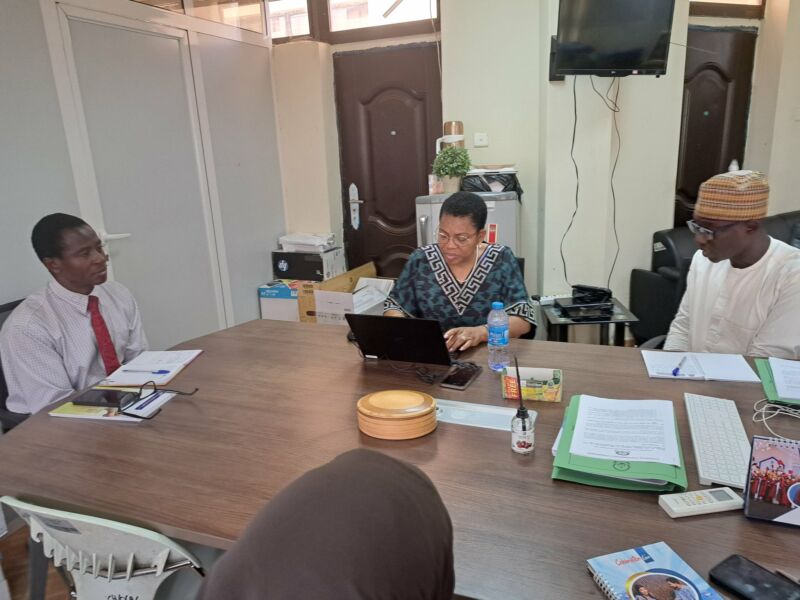
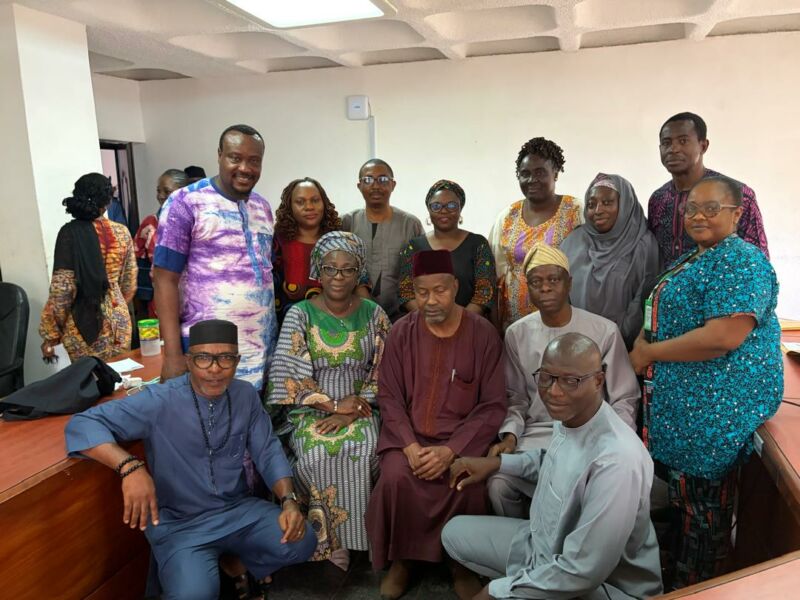
Nigeria is advancing national guidelines to help universities offer flexible, skills-focused learning through micro-credentials. At a recent meeting organised by the National Universities Commission (NUC) in collaboration with COL, Professor Abdullahi Yusufu Ribadu, Executive Secretary, NUC, emphasised the role of micro-credentials in expanding access to education, supporting skills development and strengthening links between higher education and the world of work.
Building on the National Micro-Credentials Framework developed with COL’s earlier support, the guidelines, once approved, will provide universities with clear standards for designing, delivering and recognising micro-credentials that meet quality requirements, respond to industry needs and support lifelong learning.
Learn more: www.nuc.edu.ng/es-tasks-committee-on-national-guidelines-on-micro-credentials-framework-for-nigeria/
#HigherEducation #QualityAssurance #MicroCredentials #WestAfrica
As Zambia celebrates its independence, we recognise the country’s efforts to build a more inclusive education and skills system that responds to changing learner and workforce needs.
Through its Eighth National Development Plan 2022–2026 and ongoing employment and TVET reforms,
Earlier this week, the Honourable Haruna Iddrisu, Minister of Education, Ghana, received Professor Jane-Frances Agbu, Adviser: Higher Education at the Commonwealth of Learning (COL), and a Ghanaian delegation comprising Professor Samuel A. Atintono, Principal of Accra College of
Nigeria is advancing national guidelines to help universities offer flexible, skills-focused learning through micro-credentials. At a recent meeting organised by the National Universities Commission (NUC) in collaboration with COL, Professor Abdullahi Yusufu Ribadu, Executive
Professionalising Youth Work through Micro-Credentials
World Environment Day 2026
AI Literacy for Teacher Education

© 2026 Commonwealth of Learning. Content on this website is licensed under the Creative Commons Attribution-ShareAlike International license, with some exceptions as indicated.