Tonga National University (TNU) has kicked off a week-long workshop in Nuku'alofa to strengthen learner support for open, distance and flexible learning (ODFL) and expand inclusive learning opportunities.
Facilitated by Professor Jane-Frances Agbu, Education Specialist: Higher Education at COL, Dr Shikha Raturi, COL Consultant, and Dr Raelyn 'Esau, COL Focal Point for Tonga, the engagement focuses on developing and validating two institutional guidelines: one to strengthen learner support for ODFL and another to promote inclusive learning opportunities for persons with disabilities.
The session builds on TNU’s ongoing partnership with COL, which has included institutional policy development, staff capacity building, course development and Moodle training, and planning for a proposed ODFL Centre. Together, these efforts aim to make quality learning more accessible and ensure that all learners receive the support they need throughout their learning journey.
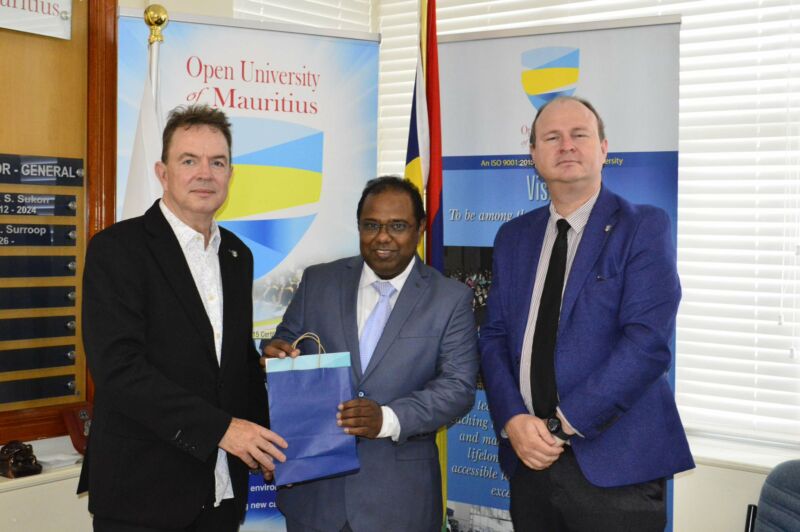
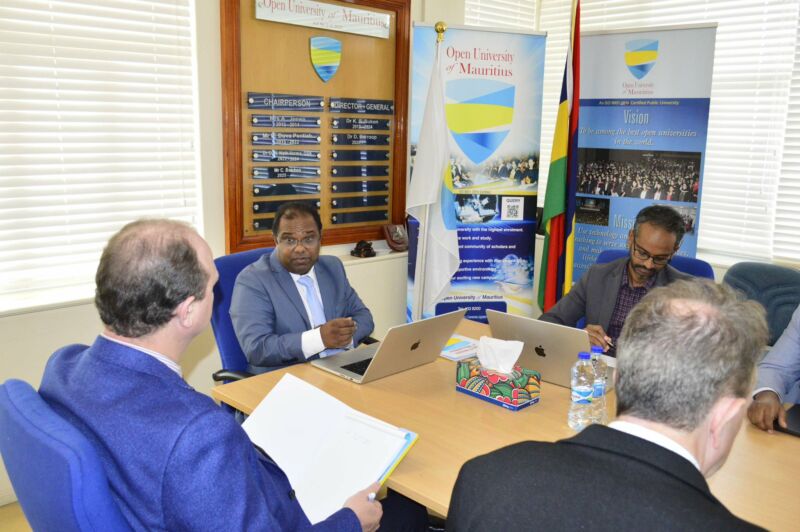
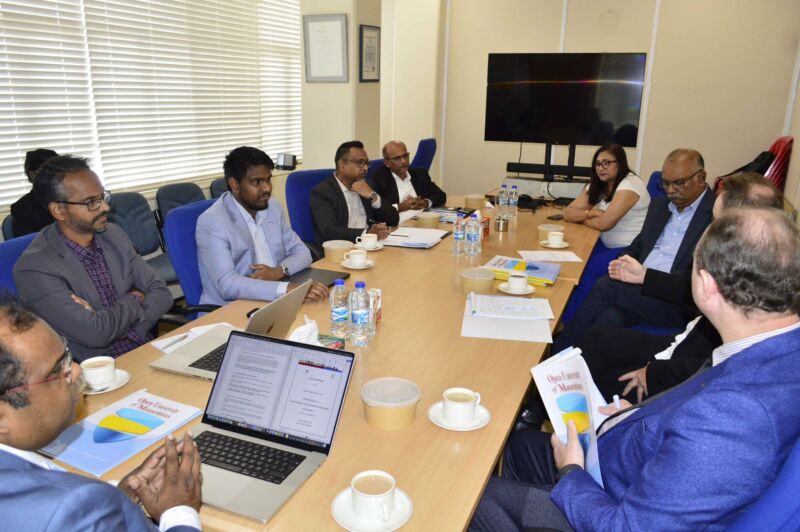
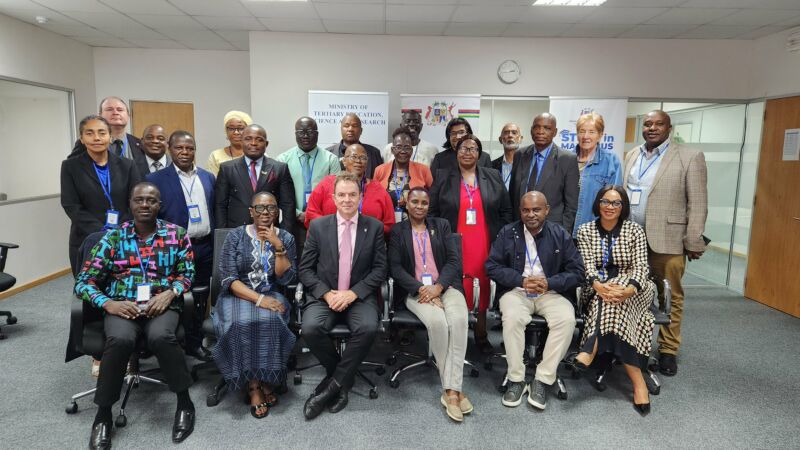
COL President and CEO Professor Peter Scott and Dr Jako Olivier, Education Specialist: Higher Education at COL, visited the Open University of Mauritius last week to explore opportunities for further collaboration in AI-enabled learning, micro-credentials and more flexible, responsive approaches to higher education.
Building on a longstanding partnership, the discussions highlighted shared priorities for enhancing the student experience and expanding access to quality lifelong learning in response to the changing education landscape.
Thank you to Dr Dinesh Surroop, Director General of the Open University of Mauritius, and the university's senior leadership team for the warm welcome.
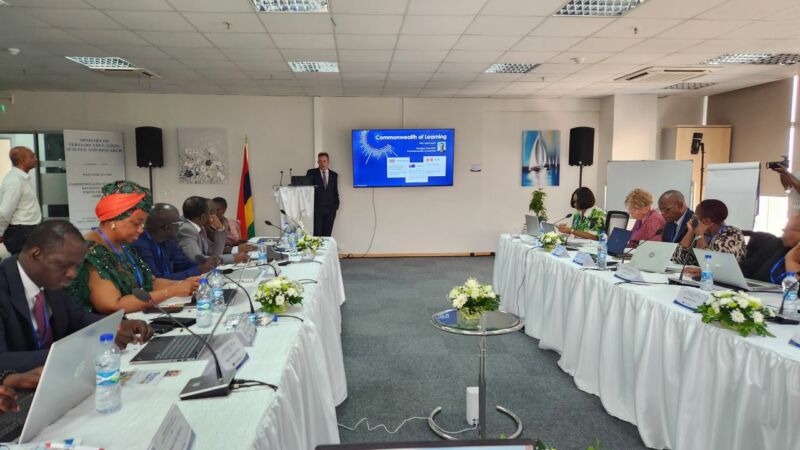
Over the past two days, COL brought together Focal Points from Commonwealth countries across Africa in Mauritius to review progress, share national experiences and help shape future priorities for education and skills development. The meeting provided an opportunity to explore how regional collaboration and emerging approaches to learning can address shared challenges and expand learning opportunities across the region.
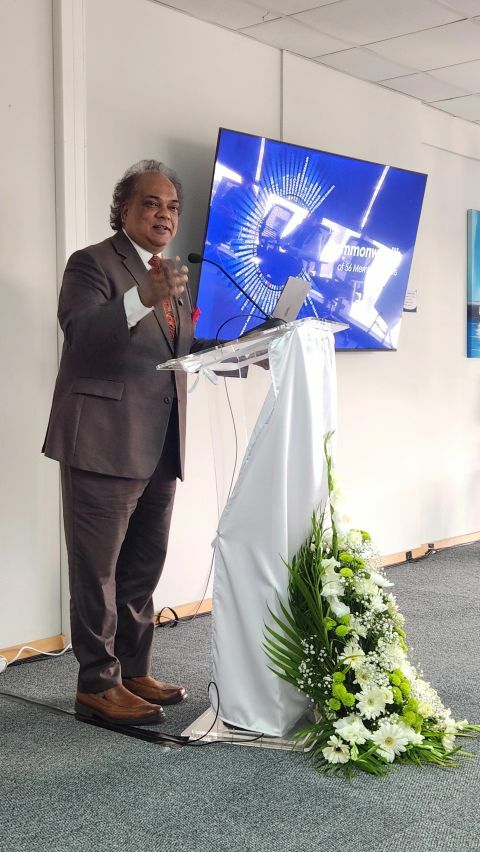
The Africa Focal Point Meeting was opened by the Honourable Dr Kaviraj Sharma Sukon, Minister of Tertiary Education, Science and Research, Mauritius, who highlighted the need for stronger links between higher education and the labour market, responsible use of artificial intelligence, and regional cooperation to address connectivity and electricity challenges affecting digital learning.
In his welcome remarks and presentation on COL’s work, COL’s President and CEO, Professor Peter Scott, emphasised the role of collective action in addressing educational inequalities and the value of sharing experiences across the Commonwealth. Focal Points from each participating country then presented their respective country reports, highlighting national priorities and experiences.
Discussions focused on COL’s programmatic impact and outcomes, emerging opportunities in micro-credentials, generative AI, authentic assessment and skills development, and areas where future collaboration can make the greatest difference. A shared priority was making education more accessible, relevant and inclusive, while strengthening pathways to sustainable livelihoods.
Our sincere thank you to all Focal Points for their continued commitment to advancing education and lifelong learning across the Commonwealth. Their insights and collaboration are vital to translating shared priorities into meaningful action.
COL President and CEO Professor Peter Scott and Dr Jako Olivier, Education Specialist: Higher Education at COL, visited the Open University of Mauritius last week to explore opportunities for further collaboration in AI-enabled learning, micro-credentials and more flexible,
Over the past two days, COL brought together Focal Points from Commonwealth countries across Africa in Mauritius to review progress and shape future education and skills priorities.
Opened by the Honourable Dr Kaviraj Sharma Sukon, Minister of Tertiary Education, Science and
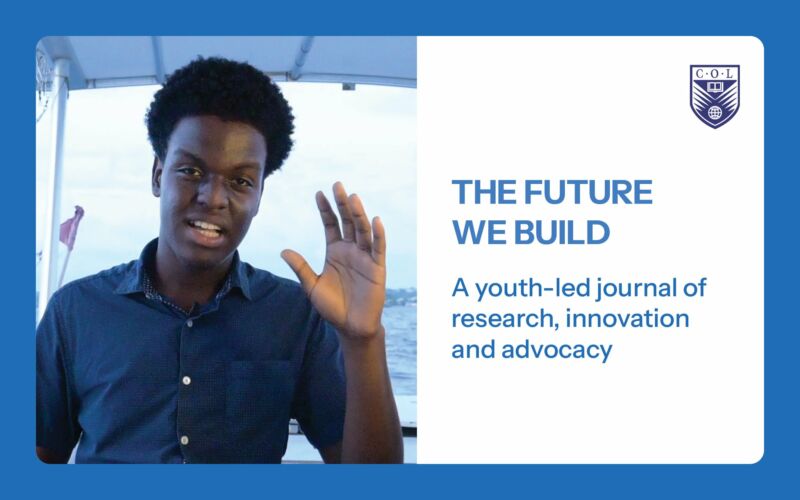
What does the Caribbean’s future look like through the eyes of its young people?
In The Future We Build, a new youth-led journal, Caribbean researchers and innovators explore how robotics, AI and creativity could address regional challenges, from marine biodiversity and ocean
As new industries emerge, economies evolve and climate challenges grow, #CHOGM2026 presents an opportunity to invest in the skills people need to access new opportunities and build sustainable livelihoods.
COL`s talking points on creating skills for livelihoods urge Commonwealth leaders and decision-makers to expand digital skills for youth and strengthen skills development across the green, blue and orange economies, opening pathways to employment, entrepreneurship and more resilient communities.
These priorities focus on turning the Commonwealth`s rich resources, from agriculture and oceans to creativity and culture, into opportunities for skills development, innovation and sustainable livelihoods.
Follow the links on each card to explore the individual talking points, or read COL`s full set of recommendations at the link in our bio. #COL4D #FutureSkills #SkillsForWork @commonwealth_sec
Changing learning systems to build a more skilled and resilient Commonwealth must be part of the conversation at #CHOGM2026.
As technology advances, the impacts of climate change intensify, and the skills needed for work evolve, education systems must adapt to prepare people for a changing world.
Under a broader call to change learning systems, COL advocates for more flexible, inclusive learning that builds future-ready skills, empowers teachers for the digital age, strengthens connections between education and employment, and expands lifelong learning opportunities.
Visit the handles on each card to explore the individual talking points, or discover our broader points for discussion. The link is in our bio.
With #CHOGM2026 just days away, leaders from across the Commonwealth are preparing to gather in Antigua and Barbuda to advance partnerships and investment for a more prosperous future.
That`s why we`ve put together 15 strategic talking points and 12 concrete opportunities for action in our new publication, Learning to accelerate in partnership.
From transforming education systems and expanding flexible learning to developing digital, green, blue and creative economy skills, our focus is on equipping young people with the skills to learn, lead, work and thrive.
Our challenge to CHOGM delegates and decision-makers: Explore the talking points, ask the difficult questions and come ready to act. How can partnerships make the greatest difference and ensure no one is left behind?
Explore our talking points and help turn shared ambitions into practical action. The link is in our bio.